

Industrial Epoxy Flooring Solutions for High-Performance Environments
Industrial spaces demand flooring solutions that can endure extreme conditions while maintaining functionality and safety. Industrial epoxy flooring delivers on all fronts, offering unparalleled durability, chemical resistance, and versatility. From warehouses to laboratories, epoxy flooring is the go-to choice for facilities that prioritize performance and longevity.
In this guide, we’ll explore the top industrial epoxy flooring options, their applications, and how they can elevate the efficiency and safety of your facility.
Why Choose Industrial Epoxy Flooring?
Industrial epoxy flooring is more than just a protective layer for your floors—it’s an investment in the longevity and efficiency of your workspace. Its seamless finish, combined with robust resistance to wear and chemicals, makes it indispensable in demanding environments.
Benefits of Industrial Epoxy Flooring
- Superior Durability
Engineered to handle heavy machinery, high foot traffic, and impact, industrial epoxy lasts for years without compromising on quality. - Chemical and Heat Resistance
Epoxy floors can withstand exposure to harsh chemicals and extreme temperatures, making them ideal for laboratories and industrial kitchens. - Low Maintenance
The smooth, non-porous surface is easy to clean and maintain, reducing downtime and cleaning costs. - Safety Features
Anti-slip textures and electrostatic dissipative options enhance workplace safety, minimizing risks in high-stress environments. - Cost-Effective
With its long lifespan and minimal upkeep, industrial epoxy flooring provides excellent value for money.
Comparison Table: Industrial Epoxy Flooring Options
| Type | Features | Ideal Applications | Price Range | Durability | Chemical Resistance |
| Standard Industrial Epoxy | High durability; seamless finish | Warehouses, factories | $3–$7 per sq. ft. | Excellent (10+ years) | High |
| Epoxy Resin Coating | Highly glossy; resistant to wear | Pharmaceutical and cleanroom facilities | $4–$8 per sq. ft. | Excellent (15+ years) | Very High |
| Anti-Slip Industrial Epoxy | Textured surface for safety; durable | Automotive facilities, loading docks | $5–$9 per sq. ft. | Excellent (10+ years) | High |
| High-Build Epoxy Coating | Thick layers for heavy machinery; impact-resistant | Manufacturing plants | $6–$10 per sq. ft. | Exceptional (15+ years) | Very High |
| Electrostatic Dissipative Epoxy | Reduces static build-up; sleek finish | Electronics manufacturing plants | $7–$12 per sq. ft. | Excellent (10+ years) | High |
| Chemical-Resistant Epoxy | Withstands harsh chemicals; easy to clean | Laboratories, chemical processing facilities | $6–$10 per sq. ft. | Excellent (15+ years) | Exceptional |
| Heat-Resistant Epoxy | Resists high temperatures; long-lasting | Industrial kitchens, foundries | $8–$14 per sq. ft. | Excellent (15+ years) | High |
Exploring Top Industrial Epoxy Flooring Options
Standard Industrial Epoxy
This is the all-around workhorse of epoxy flooring. Its seamless finish and high durability make it suitable for warehouses and factories. Resistant to wear and impact, it ensures your floors stay functional and visually appealing for years.
Epoxy Resin Coating
For spaces requiring a polished aesthetic, epoxy resin coatings deliver. These highly glossy finishes are not only visually appealing but also incredibly durable. Ideal for pharmaceutical facilities and cleanrooms, this option emphasizes cleanliness and resistance to wear.
Anti-Slip Industrial Epoxy
Safety is paramount in high-traffic areas like loading docks and automotive facilities. Anti-slip epoxy flooring provides a textured surface that minimizes the risk of slips and falls, ensuring a secure work environment.
High-Build Epoxy Coating
Manufacturing plants rely on heavy machinery, which demands robust flooring. High-build epoxy coatings are designed for maximum impact resistance, offering thick layers that can endure the weight and movement of industrial equipment.
Electrostatic Dissipative Epoxy
In electronics manufacturing, static electricity can be a major hazard. Electrostatic dissipative (ESD) epoxy floors reduce static build-up, protecting both workers and sensitive equipment.
Chemical-Resistant Epoxy
Chemical processing facilities and laboratories require flooring that can withstand harsh substances. Chemical-resistant epoxy is engineered to repel spills and resist damage, maintaining its integrity even under constant exposure to corrosive agents.
Heat-Resistant Epoxy
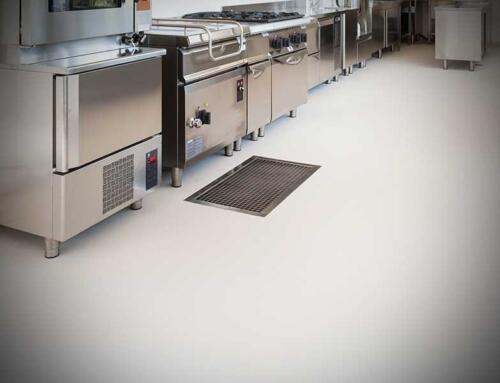
Industrial kitchens and foundries often deal with extreme temperatures. Heat-resistant epoxy flooring offers the perfect solution, ensuring longevity and performance even in the most challenging thermal conditions.
The Industrial Epoxy Flooring Installation Process
Installing industrial epoxy flooring involves meticulous preparation and skilled application to achieve a seamless and durable finish.
- Surface Preparation
The concrete substrate is cleaned, repaired, and leveled. Techniques like grinding or shot blasting are used to ensure a smooth surface for epoxy adhesion. - Priming
A primer layer is applied to enhance adhesion and create a strong foundation for the epoxy coating. - Epoxy Application
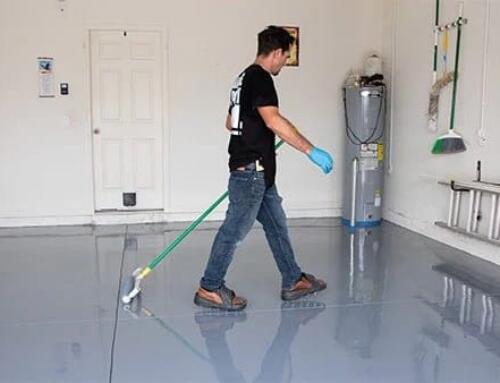
The epoxy mixture is poured and spread evenly across the surface. For specific finishes, additional layers or additives are incorporated. - Customization
Features like anti-slip textures, ESD properties, or chemical-resistant coatings are added during this stage. - Curing
The epoxy is left to cure, allowing it to harden into a seamless, long-lasting surface. This process typically takes 24–72 hours.
Frequently Asked Questions
What is the strongest epoxy flooring?
High-build and chemical-resistant epoxies are considered the strongest, offering exceptional durability and resistance to impact, chemicals, and heat.
What is industrial epoxy?
Industrial epoxy is a high-performance floor coating designed to withstand heavy loads, chemical exposure, and high traffic in demanding environments like factories, warehouses, and laboratories.
How long does industrial epoxy last?
With proper installation and maintenance, industrial epoxy flooring can last 10–20 years or more, depending on the type and usage.
What are the disadvantages of epoxy flooring?
Epoxy floors can be slippery when wet and may require professional installation. Additionally, improper application can lead to peeling or cracking.
What flooring is better than epoxy?
In some cases, polished concrete or tiles may be better for aesthetic or traditional designs. However, for industrial applications, epoxy often outperforms other materials in durability and functionality.
Industrial epoxy flooring is the backbone of heavy-duty spaces, combining strength, safety, and aesthetic versatility. Whether you’re running a bustling warehouse, a high-tech lab, or a heat-intensive kitchen, epoxy floors offer tailored solutions to meet your needs.
With options like chemical-resistant coatings, anti-slip finishes, and heat-resistant designs, industrial epoxy flooring ensures your facility is ready to handle the demands of modern industry. Upgrade your workspace with epoxy flooring and experience the perfect blend of durability and performance.



Leave A Comment