

Why Garage Floor Coatings Matter More Than You Think
Your garage floor withstands daily punishment—from hot tires to oil spills, dropped tools to moisture exposure. Over time, unprotected concrete surfaces crack, stain, and deteriorate. That’s where garage floor coatings come in. These protective layers not only extend the life of your concrete but also upgrade the appearance and performance of your garage space.
If you’re in Albany or nearby, Epoxy Flooring Albany specializes in high-performance residential epoxy flooring that transforms garages into clean, polished, and resilient surfaces. But which coating is right for you?
Let’s explore the options, the costs, and why epoxy coatings continue to lead the market.
Epoxy: The Gold Standard for Garage Floor Coatings
Among all options, epoxy garage floor coatings have established themselves as the most durable, attractive, and cost-effective solution for both residential and commercial spaces.
- Longevity: Epoxy coatings last 10 to 20 years with proper care.
- Strength: They resist chemicals, abrasions, and impact.
- Visual Appeal: Choose from glossy, matte, metallic, or custom color finishes.
- Hygiene: Seamless and non-porous, epoxy prevents the growth of mold, bacteria, and dust.
- Slip Resistance: Additives can make epoxy safe in wet conditions.
Whether you’re dealing with old, stained concrete or new construction, floor epoxy is a game-changer.
Comparison Table: Popular Garage Floor Coating Options
Before you invest in a garage floor upgrade, it’s important to weigh your options. Garage floor coatings vary widely in terms of durability, appearance, maintenance requirements, and long-term value. Understanding these differences can help you make a smarter investment, whether you’re aiming for aesthetics, functionality, or both. Below, we break down the most common coating types so you can see how they stack up against each other in real-world performance and cost.
| Coating Type | Durability | Cost per Sq. Ft. | Maintenance | Appearance Options | Best For |
| Epoxy | 10–20 years | $3–$12 | Low | High (many colors) | Residential, Industrial |
| Polyurethane | 5–10 years | $4–$7 | Low-Med | Moderate | High-traffic commercial spaces |
| Acrylic Sealer | 1–3 years | $1–$3 | High | Limited | Temporary solutions |
| Concrete Stain | 2–5 years | $2–$4 | Medium | Decorative looks | Low-impact garages |
| Vinyl Tiles/Mats | 1–5 years | $2–$5 | Medium | Moderate | DIY installs, rentals |
With so many garage floor coatings available, it helps to compare durability, cost, and aesthetics side-by-side. This table highlights the advantages of epoxy over less resilient options.
What Influences Epoxy Garage Floor Cost?
Installing concrete epoxy flooring isn’t one-size-fits-all. Prices depend on:
- The size of your garage
- Condition of the concrete surface
- Desired finish and color
- Thickness of the epoxy layer
- Labor and prep requirements
According to industry data, epoxy garage floor cost ranges from $3 to $12 per square foot, with an average U.S. homeowner spending $2,512 for a standard 2-car garage. Despite the upfront investment, epoxy pays off with decades of performance and minimal maintenance.
The Installation Process: From Bare Concrete to Flawless Finish
Installing a garage epoxy floor involves several professional steps to ensure lasting results:
- Surface Preparation: Shot blasting or grinding to ensure proper adhesion.
- Crack and Joint Repair: Fixing imperfections and leveling the surface.
- Primer Application: A base coat improves bonding.
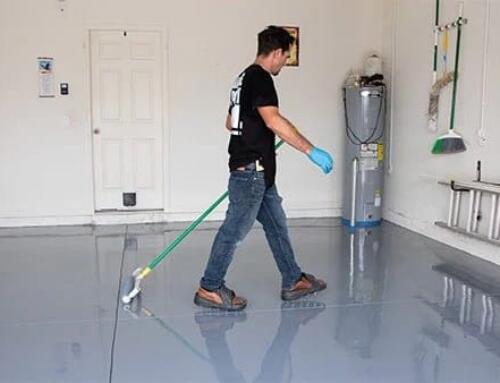
- Epoxy Layer Application: Rolled or sprayed, depending on the system.
- Optional Additives: Anti-slip grit, flakes, or metallic pigment.
- Top Coat Sealant: Locks in durability and enhances finish.
Proper prep is key: a large percentage of epoxy failures are due to poor substrate preparation.
Benefits of Epoxy Coatings for Garage Floors
- Water & Chemical Resistance: No more worrying about oil leaks or salt corrosion.
- UV Protection: Prevents yellowing and fading from sunlight.
- Brightens Spaces: Reflective surfaces can improve brightness up to 300%.
- Improves Air Quality: Epoxy seals dust and reduces allergen buildup.
- Withstands Heavy Loads: Great for tool benches, vehicles, and home gyms.
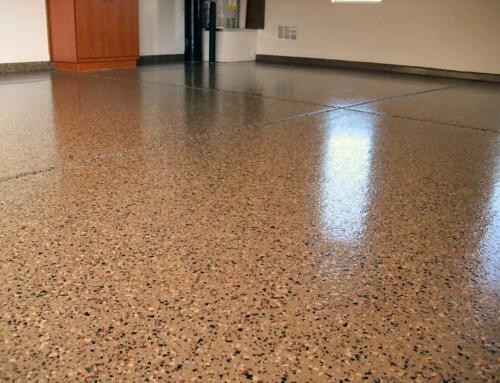
- Custom Aesthetics: Create a signature garage with color flakes, metallic swirls, or a solid industrial finish.
Tips for Choosing the Right Garage Floor Coating
- Assess the use of your garage (storage vs. workshop vs. gym)
- Prioritize durability if you park daily or use heavy tools
- Consider appearance if aesthetics are a priority
- Choose epoxy for the best long-term value
Consult with a professional like Epoxy Flooring Albany to select the ideal coating for your space.
Common Mistakes to Avoid with Garage Floor Coatings
- Skipping surface prep: Leads to peeling and failure.
- DIY with cheap kits: Often lack industrial-grade performance.
- Applying over moisture: Traps water and causes bubbling.
- Underestimating thickness needs: Less durability over time.
FAQ: Garage Floor Coatings
- How long do garage epoxy floors last?
Epoxy garage floors typically last between 10 and 20 years, depending on usage, maintenance, and installation quality. With proper care, they often outlast alternatives like acrylic or vinyl tiles. Their resistance to wear, impact, and chemicals makes them an ideal long-term solution. Many homeowners report impressive longevity even in high-traffic conditions. - Is epoxy suitable for all garage climates?
Yes. High-quality epoxy systems can withstand extreme cold, heat, and moisture. Some systems even include UV-resistant and moisture-mitigating layers for superior protection. They also hold up well under sudden temperature changes and seasonal shifts. This makes them an excellent option for garages across all regions. - Can I install epoxy over old concrete?
Yes—as long as the concrete is structurally sound and professionally prepped. Cracks and stains can be repaired or concealed before coating. Epoxy is often used to revive aging floors, providing a like-new finish. Preparation techniques like grinding or acid etching help ensure strong adhesion. - Are epoxy floors slippery?
Without additives, they can be slippery when wet. However, installers often use anti-slip grit or flakes to improve traction, especially in high-traffic or humid areas. There are also specialty coatings designed for enhanced grip. This ensures both safety and performance in residential and commercial garages. - How do I clean and maintain my epoxy garage floor?
Simply sweep and mop with mild cleaners. Avoid harsh abrasives or acid-based products. With routine cleaning, your floor will maintain its glossy finish and protective integrity. Periodic resealing is rarely needed, and maintenance is minimal. This low-maintenance nature makes epoxy ideal for busy homeowners.
Final Thoughts: Why Epoxy Flooring Albany is Your Best Choice
Garage floors don’t have to be dull, dirty, or deteriorating. With epoxy garage floor coatings, you get durability, safety, and visual appeal all in one seamless solution.
At Epoxy Flooring Albany, we bring industry-leading materials, meticulous prep, and years of experience to every project. From custom finishes to slip-resistant textures, we tailor every installation to your needs.
Transform Your Floors – Call Now for a Free Quote!



Leave A Comment