

Is There a Floor That Can Handle the Heat, Spills, and Speed of Your Kitchen? Yes—Epoxy Can.
Commercial kitchens are high-pressure environments where every surface must be built to endure. Between the constant hustle, exposure to grease and hot liquids, and the need for fast sanitation, the demands placed on a kitchen floor are relentless. A failure here isn’t just inconvenient—it can be dangerous.
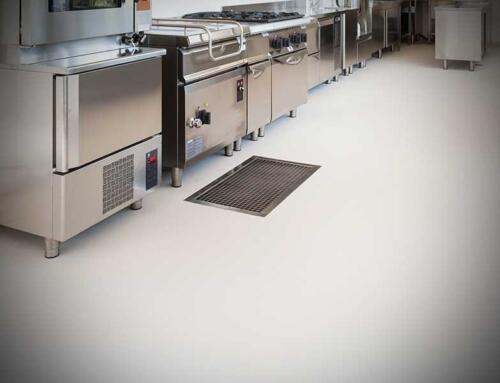
That’s why more food-service professionals are choosing commercial kitchen flooring epoxy systems that meet both safety standards and performance expectations. This flooring type goes beyond appearance. It’s a critical investment in the cleanliness, safety, and long-term efficiency of your business.
Epoxy floors offer peace of mind in environments where time, cleanliness, and performance are non-negotiable. Their seamless surfaces reduce the risk of slips, bacterial growth, and time-consuming maintenance routines. For chefs, kitchen managers, and business owners, it’s not just a flooring solution—it’s an upgrade to the entire workflow.
At Epoxy Flooring Albany, we specialize in systems that comply with all food-service regulations while providing unmatched durability. From neighborhood bakeries to high-volume cafeterias, we deliver flooring solutions that hold up under pressure—and underfoot. Our tailored approach includes on-site evaluations, finish selection, and professional installation that meets your unique operational needs.
Why Epoxy Flooring for Commercial Kitchens Makes Sense
There’s a reason more restaurants are choosing epoxy flooring for commercial kitchens. It’s not just about aesthetics—it’s about safety, cleanliness, and compliance. Here’s what makes epoxy ideal:
- Slip Resistance: Custom textures to reduce slip hazards from grease and spills.
- Chemical Resistance: Withstands cleaning agents, oils, and acids.
- Thermal Shock Tolerance: Survives extreme temperature changes without cracking.
- Seamless Surface: No grout lines = fewer bacteria, mold, or pest risks.
- Low Maintenance: Quick to clean, easy to sanitize, and always kitchen-safe.
This type of flooring is also odor-resistant and won’t absorb spills the way porous tile or grout might. With epoxy commercial kitchen flooring, your space remains compliant, efficient, and easy to clean even during peak hours. Additionally, epoxy helps prevent floor degradation that could pose compliance risks or lead to costly closures.
Comparing Commercial Kitchen Epoxy to Other Flooring Types
Choosing the right floor for your kitchen impacts health inspections, worker safety, and long-term cost efficiency. Each option has pros and cons, but when evaluated by durability, sanitation, and overall performance, epoxy consistently ranks at the top.
| Flooring Type | Durability | Sanitation Level | Slip Resistance | Best Use Case | Avg. Lifespan |
| Epoxy Flooring | Excellent | Seamless/Hygienic | High | Restaurants, food prep | 10–20 years |
| Quarry Tile | Moderate | Grout lines trap grime | Moderate | Older commercial kitchens | 10–15 years |
| Vinyl Composition Tile (VCT) | Low–Moderate | Seams allow a buildup | Low | Break rooms, office kitchens | 5–7 years |
| Sealed Concrete | Moderate | Porous surface | Low–Moderate | Utility storage | 5–10 years |
Epoxy outperforms alternatives in durability, sanitation, and safety—key concerns in food-service environments.
Understanding Commercial Kitchen Epoxy Flooring Cost
The commercial kitchen epoxy flooring cost typically ranges from $6 to $12 per square foot, depending on:
- Kitchen size and layout complexity
- Thickness of epoxy layers and topcoats
- Need for anti-slip texture or thermal-shock protection
- Required surface preparation and repair
For a 1,000 sq. ft. kitchen, you can expect to pay $6,000 to $12,000. While epoxy is a bigger upfront investment than tile or vinyl, its longevity, safety benefits, and compliance advantages make it a smarter long-term decision.
Unlike other materials, epoxy doesn’t require frequent resealing or grout maintenance. Many kitchens recoup the initial cost through fewer repairs, lower cleaning labor, and fewer slip-and-fall incidents. Some establishments report saving thousands in accident claims, employee injury leave, or emergency flooring replacement over 10 years. The ROI on epoxy becomes clear after just a few years.
Epoxy Flooring Commercial Kitchen Installation Process
Here’s what a typical installation looks like with Epoxy Flooring Albany:
- Surface Prep – Mechanical grinding or shot-blasting to ensure bond.
- Moisture Mitigation (if needed) – Prevents bubbling or lifting.
- Crack and Damage Repair – Smooths the base for coating.
- Primer + Epoxy Application – Ensures adhesion and base coverage.
- Textured or Anti-Slip Topcoat – Improves safety and durability.
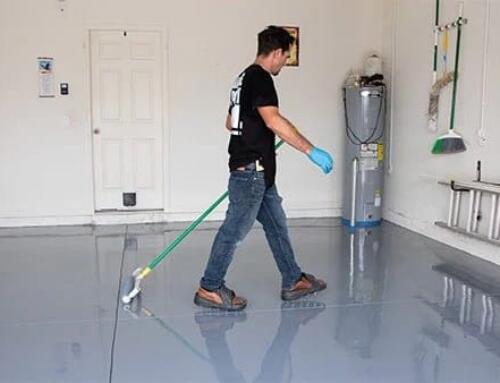
We schedule installations around your business hours to minimize disruption. Many jobs are completed in 2–3 days.
Proper curing and quality assurance checks are built into our process, ensuring your floor is ready to meet food-service demands from the moment you reopen. If needed, we can implement phased installations to keep parts of your kitchen operational, allowing you to stay in business while upgrading.
FAQ: Commercial Kitchen Epoxy Flooring
- Is epoxy flooring safe for commercial kitchens?
Yes. It meets USDA, FDA, and health department regulations. Epoxy is seamless, slip-resistant, and antimicrobial when paired with the right topcoat. These surfaces help prevent the growth of bacteria and mold. Many health inspectors favor epoxy because of its hygienic and easy-to-clean surface. Epoxy also supports compliance with strict sanitation protocols and reduces downtime due to floor-related health code violations. - How long does epoxy flooring last in a commercial kitchen?
Typically 10–20 years. Its longevity depends on traffic levels, maintenance, and whether it’s exposed to hot grease or harsh cleaners. When properly installed and maintained, it can outlast tile or vinyl by several years. Protective topcoats also enhance resistance to wear. In fast-paced commercial kitchens, investing in epoxy can extend flooring performance far beyond expectations. - How do I clean and maintain epoxy floors in a kitchen?
Daily mopping, degreasing, and occasional reapplication of topcoat will keep your floor clean and compliant. Use non-abrasive cleaners to maintain shine. Automatic scrubbers may also be used with epoxy-safe detergents. Routine inspections help detect minor damage early. For high-traffic zones, weekly deep cleaning is recommended to ensure peak hygiene and floor life. - Can epoxy be installed over tile or damaged concrete?
Yes. As long as the base is structurally sound, we can grind and prep it to accept an epoxy overlay. Cracks and surface damage are repaired before application. Tile seams are leveled to ensure a smooth base. In many cases, epoxy helps restore uneven or worn floors. This makes it a cost-effective resurfacing solution that avoids full demo and rebuild. - Are color and texture options available?
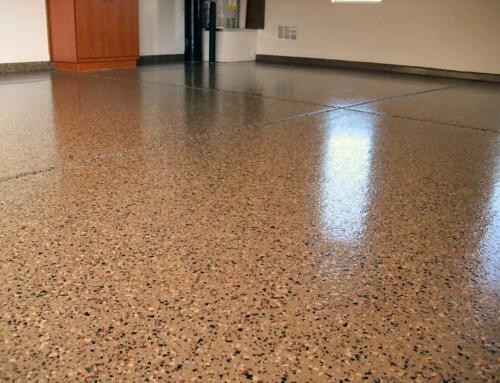
Absolutely. We offer a wide range of finishes, including matte, gloss, quartz flakes, and anti-slip profiles tailored to food-service use. Custom colors can match your branding or interior design. We also offer different levels of grit depending on traffic zones and safety needs. This allows restaurants, hotels, and institutional kitchens to create safe, visually appealing workspaces.
Final Thoughts: Strong, Safe, and Sanitary
Your kitchen deserves more than just a clean look—it needs a commercial kitchen epoxy flooring system that can withstand grease, spills, steam, and speed. Epoxy delivers on all fronts: safety, sanitation, durability, and ease of maintenance.
Beyond the basics, epoxy floors also support efficiency and staff morale. A bright, even surface enhances lighting, reduces fatigue, and minimizes tripping hazards. Over time, these benefits compound into real cost savings and improved workplace safety.
What’s more, epoxy floors create a professional aesthetic that leaves a strong impression on employees, inspectors, and customers alike. They show you care about safety, cleanliness, and operational excellence. In competitive hospitality and food industries, this perception matters.
Let Epoxy Flooring Albany help you create a kitchen that performs at the same level as your culinary team—resilient, refined, and always ready for service.
Stronger, Safer, and More Stylish – Get Epoxy Flooring Today!



Leave A Comment